
Solanum dulcamara: Bittersweet Nightshade: The Plant of Contradictions


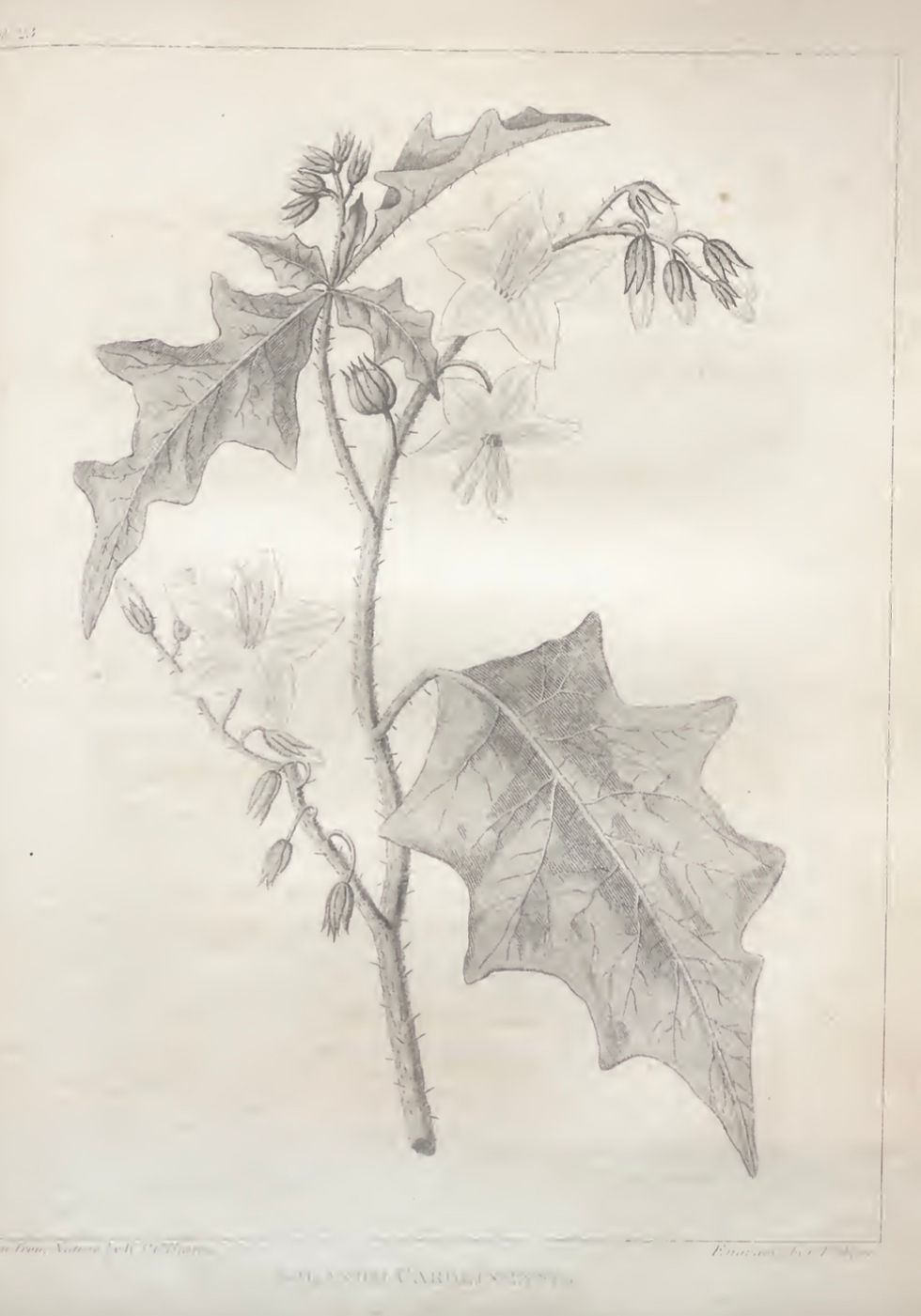
Bitter, then sweet. Even the name tells us what makes this plant memorable. Solanum dulcamara, commonly known as bittersweet nightshade, has been part of European plant lore and traditional medicine for centuries. Unlike some of the more infamous plants in botanical history, it does not immediately announce itself as a botanical villain. It is a climbing plant with distinctive flowers and bright berries, growing along hedgerows and in other familiar landscapes. Yet beneath its unassuming appearance lies a surprisingly complicated history.
Bitter, Then Sweet
The name dulcamara comes from Latin elements associated with the words “sweet” and “bitter.” The explanation behind the name is wonderfully simple: the young stems were traditionally described as tasting bitter at first, followed by a sweet sensation. This unusual sensory experience helped inspire the common name bittersweet, preserving an observation that might otherwise have been lost to time.
Plant names often tell us more than we realize. Long before a species appeared in a botanical monograph, people were observing it, describing it, and passing their knowledge along to others. A name might reflect a plant’s appearance, its smell, its taste, or the effects people associated with it. In this case, bittersweet preserves a small but memorable detail from generations of human interaction with the natural world.
A Long Medicinal History
Bittersweet nightshade has a long history of medicinal use in Europe and, later, the United States. Historical herbal literature associated the plant with a wide range of ailments, including skin complaints, respiratory problems, rheumatism, jaundice, and inflammatory conditions. These uses reflect the broad role plants played in traditional medicine, when local vegetation was often an important part of a community’s available remedies.
However, the sheer number of historical uses does not mean that they were all effective. Even nineteenth-century botanical writers questioned some of the claims made about bittersweet, demonstrating that skepticism about traditional remedies is not exclusively a modern development. Historical accounts can tell us what people believed, what they tried, and how medical ideas changed over time, but they cannot establish that a treatment worked simply because it was recorded.
This is one of the most valuable lessons we can take from the study of historical herbalism. Rather than repeating old claims as established facts, we can examine them in context, compare them with other accounts, and ask what evidence supported them. Doing so allows us to appreciate traditional knowledge while recognizing the difference between a documented historical practice and a medically proven treatment.
A Plant with Chemistry Behind Its Reputation
Bittersweet nightshade contains biologically active compounds, including steroidal alkaloids that contribute to its pharmacological properties. The plant’s chemistry offers one way to understand why it attracted medicinal interest, but it also provides an important reason for caution. Biologically active substances can produce significant effects on the human body, and their presence does not automatically make a plant suitable for medicinal use.
Bittersweet nightshade can be toxic, and its berries and other parts should not be consumed as home remedies. Traditional use is not a reliable guarantee of safety, particularly when historical preparations, dosages, and methods of administration may be poorly documented or difficult to reproduce. The plant’s medicinal reputation is therefore best understood as part of its history rather than as a recommendation for modern use.
The Stories We Attach to Plants
Bittersweet nightshade is particularly interesting because it does not carry quite the same dramatic mythology as mandrake or deadly nightshade. Its story is quieter, rooted in hedgerows, familiar landscapes, remembered remedies, and the accumulated observations of people who lived close to the natural world.
It is a plant with a memorable name, a place in old herbals, and a history passed through generations of local knowledge. Its story reminds us that folklore does not always arrive wearing a witch’s hat. Sometimes it survives in something much simpler: a name someone remembers, a remedy a relative once described, or a lesson about recognizing a plant that was passed from one generation to the next.
These quieter forms of plant lore are just as important as the more dramatic stories. They reveal how people learned to recognize the plants around them, assigned meaning to their characteristics, and incorporated them into everyday life. They also show how knowledge can travel through families and communities long before it is formally recorded or scientifically investigated.
From Tradition to Skepticism
One of the most fascinating aspects of bittersweet nightshade’s history is the tension between tradition and evidence. Historical writers documented numerous medicinal uses, later observers questioned many of those claims, and modern science offers a different framework for examining the plant’s chemistry and potential toxicity.
The story changes as our methods of understanding the natural world change. That does not mean historical herbalists were foolish or that their observations have no value. They were working with the knowledge, technologies, and medical theories available to them. Their writings remain valuable records of human experience, even when the conclusions they reached do not hold up to modern scrutiny.
At the same time, tradition should not be mistaken for proof of efficacy or safety. A remedy can be widely used without being effective, and a plant can have a long history in medicine while also presenting serious risks. Learning to distinguish historical significance from scientific evidence allows us to study traditional practices with both curiosity and care.
A Plant of Contrasts
Bittersweet nightshade carries its contradictions in its name: bitter and sweet, medicine and poison, tradition and skepticism, beauty and danger, observation and interpretation. These contrasts make it a fitting subject for a series exploring the histories of poisonous plants and their place in human culture.
Not every poisonous plant became a legendary witch’s herb or acquired an elaborate mythology. Some simply grew alongside people for generations, gradually accumulating names, uses, warnings, and stories. Their significance developed through ordinary encounters with the landscape rather than through extraordinary legends.
Perhaps that is what makes bittersweet nightshade so compelling. Its history reminds us that the relationship between people and plants has never been shaped by appearance alone. It has also been shaped by experience, belief, experimentation, and the gradual refinement of knowledge. Sometimes, the quieter plants tell us the most about how ordinary people learned to understand the natural world around them.


Comments