Learn how to Record your own Materia Medica
- Hollie

- 22 hours ago
- 2 min read

"Materia Medica" derives from Latin and means "healing materials". In herbalism, materia medica is a term used for a body of knowledge that describes how plants are used therapeutically. There are ancient and modern materia medicas available for you to learn from. In this course, you will have the chance to begin creating your own materia medica. Your working knowledge of plants from personal experience and research is the heart of therapeutic herbalism.
You can record details about these plants in your own journal to widen and deepen your knowledge and memory of them. This practice is intended to provide vital foundational knowledge as herbalists. Have fun!
Topics that you can include in your own journal:
Common name and scientific (latin) binomial name
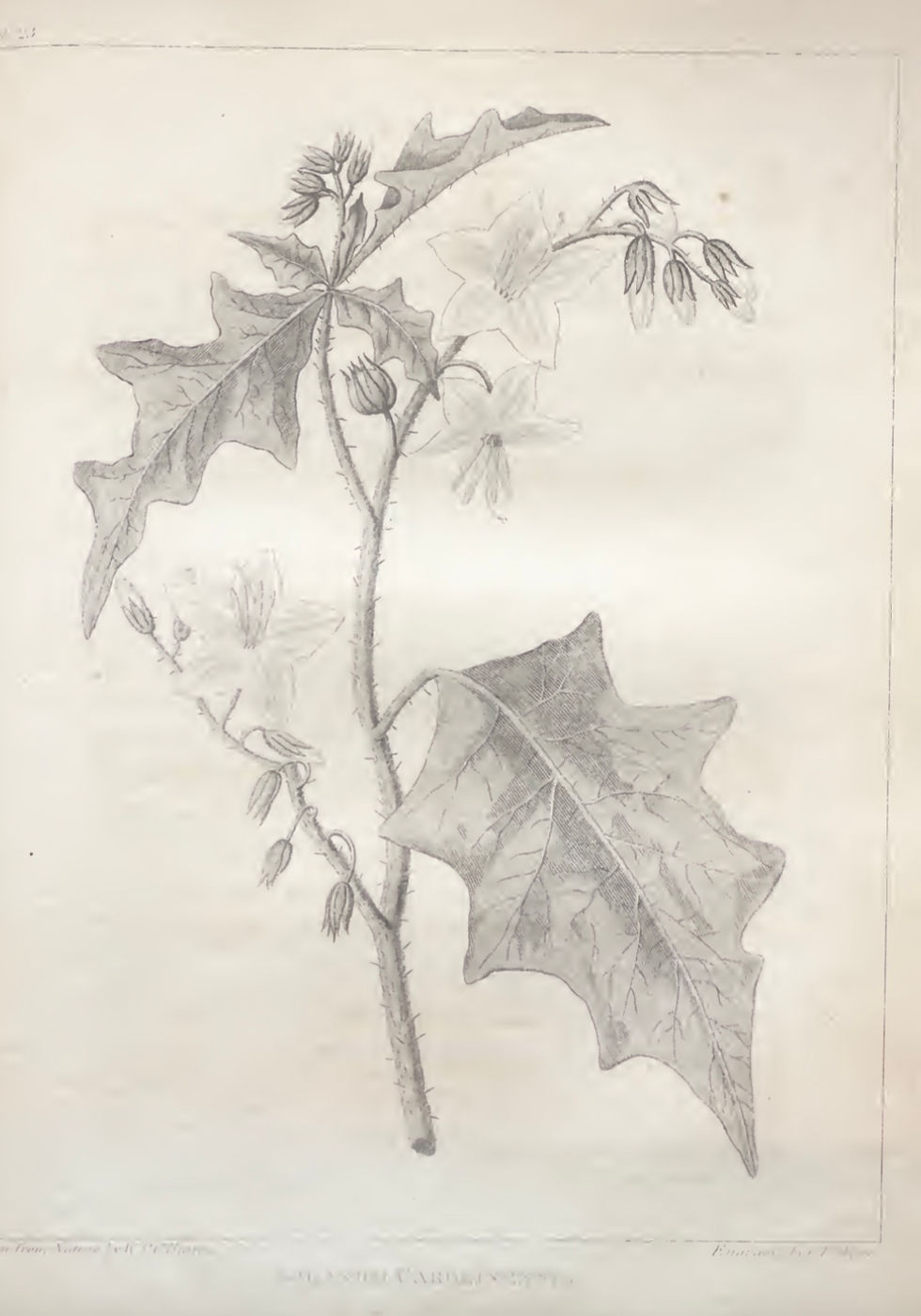
Drawing of plant
Plant family
Plant parts used: when & how to collect them
Habitat & cultivation
Direct plant experience - organoleptic description / effects
Herbal actions
System affinities
Energetic qualities
Indications & contraindications
Historical or ethnobotanical use of the plant.
Phytochemistry
Preparation & dosage
Botanical safety
Research
Monograph Template
(Materia Medica- healing material)
Plant family, genus and species, and common names
Description of the plant: (What does it look like? What are the characteristics, aka identifiers)
Habitat and Ecology: (Where do you find it? Does it grow commonly near other plants or alone? Is it a garden plant?
Parts used and how to harvest: (What time of year to harvest, where the plant is in its growth cycle, and tools needed.)
Medicinal uses: (First list medicinal content in general and then add the constituents and their actions to give the why and how the plant is providing changes in body physiology.)
Constituents and their actions: (What type of constituent it is, where in the plant it is located, and its solubility. Example: The inulin in dandelion roots is a water-soluble polysaccharide, also known as a prebiotic. Inulin has been scientifically proven to promote the growth of healthy gastrointestinal bifidobacteria.)
Taste, if appropriate, and smell: (Many plants have signature tastes and aromas. This helps with identification.)
Energetics: (Cooling, warming, drying, moistening. Energetics aid in appropriately choosing herbs singly or in formulas.)
Preparations: (What remedies have you made? What do you want to try?)
Dosage: (Include what you have found works well for you and why)
Herbs to combine with: (This aids in creating formulas)
Personal experience with the plant: (Stories)
Contraindications: (Circumstances that preclude using the plant)
Consider (Information on look-a-like plants, history use or folklore, research highlights, spiritual/emotional attributes, adjunct therapies, recipes, use for pets, and maps or local information for your harvest places.)
Let me know what you come up with. I would love to see it!


Comments