
Making Your Own Chai Masala: A Homemade Spice Blend


There is something comforting about the smell of warm spices filling the kitchen. Chai masala is one of those blends that can be completely your own. While there are traditional spices commonly found in chai masala, there isn’t necessarily one single recipe you have to follow.
So, what is chai masala?
Chai masala is a blend of aromatic spices traditionally used to flavor chai. Common ingredients include cloves, ginger, cardamom, cinnamon, and black peppercorns, but fennel, nutmeg, star anise, and other spices can also find their way into the mix.
Many of these spices have long histories of culinary and traditional use, including within Ayurvedic practices. And the beautiful thing about making your own blend is that you get to decide what goes into it.
Let your taste buds guide you.

My Chai Masala Blend
For this particular blend, I wanted something warm, aromatic, slightly spicy, and comforting.
Ingredients
2 teaspoons fennel seeds (saunf)
2 tablespoons green cardamom (elaichi)
1 tablespoon cloves (laung)
2 teaspoons black peppercorns (kali mirch)
1 cinnamon stick
1 teaspoon ginger powder
1 teaspoon nutmeg powder (jaiphal)
You can also experiment with other spices depending on what you enjoy. There really is no need to make every batch exactly the same.

Toasting the Spices
I like to begin by dry roasting the fennel seeds, cardamom, cloves, black peppercorns, and cinnamon stick. Place them in a dry skillet over low to medium heat and warm them for about a minute, just until they become fragrant.
This step is completely optional, but I love the extra depth it gives the spices.
Be careful not to let them burn. You’re simply waking up the aromas.
Once they’re fragrant, remove the spices from the heat and allow them to cool completely.
Grinding Your Chai Masala
Once the spices have cooled, transfer them to a coffee grinder or spice grinder and grind them into a powder.
Grate the nutmeg if you’re using whole nutmeg, then combine it with the ground spices. Stir in the ginger powder and mix everything together well.
Transfer your chai masala to an airtight glass jar and store it somewhere cool and dry.
I use about ½ teaspoon of chai masala per cup of tea, but you can adjust this depending on how strong you like your chai.
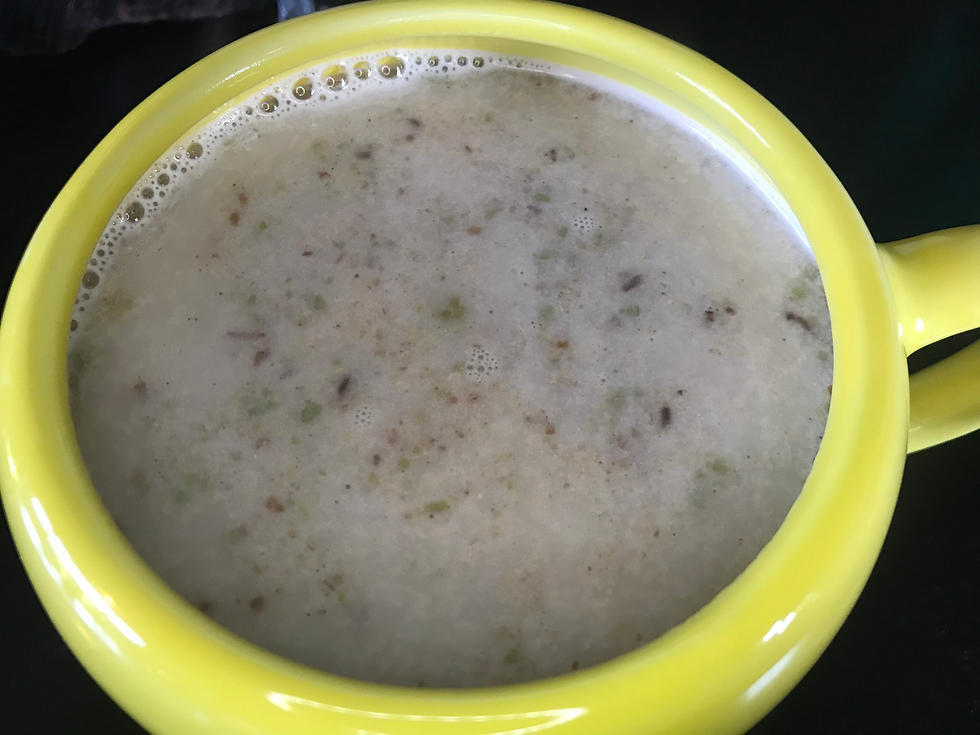
Making Chai With Your Masala
There are so many ways to use this blend.
For a simple spiced tea, bring a cup of water to a simmer and add about ½ teaspoon of your chai masala. Allow the spices to infuse into the water, then strain if desired. Add your favorite sweetener if you’d like.
For a creamy chai latte, add about ½ cup of milk or a milk alternative.
I personally love using hemp milk when I make chai lattes. I whisk it while it’s warming on the stove, which helps incorporate the spices and gives the milk a thicker, frothier texture.
You can adjust the ratio of water to milk, the amount of spice, and the sweetness until you find what works for you.
Make It Your Own
Like I said in the beginning, you can make this recipe however you choose.
Add something you love. Leave something out. Make it sweeter, spicier, warmer, or more aromatic. There isn’t a single combination that makes your chai masala right.
For this particular batch, I decided to add a few pieces of dried reishi mushroom that I ground into a powder. It’s not something you’ll find in every traditional chai masala blend, but that’s part of the fun of making your own.
Recipes can be starting points rather than rules.
Learning More About the Spices
One of the things I love about making spice blends is that you’re not only creating something delicious—you’re also learning about the individual plants and spices you’re working with.
Cloves have a long history of culinary and traditional use and contain aromatic compounds such as eugenol.
Nutmeg has traditionally been used in small culinary amounts and is associated with warming, aromatic preparations.
Green cardamom is particularly popular in chai for its bright, sweet aroma and is traditionally used as a digestive spice.
Cinnamon brings warmth and sweetness to the blend and is rich in naturally occurring antioxidant compounds.
Ginger adds a gentle heat and has a long history of culinary and traditional use, particularly in warming preparations.
Black pepper gives chai its characteristic bite and pairs beautifully with the sweeter spices in the blend.
Fennel adds a naturally sweet, slightly licorice-like flavor and has traditionally been used after meals and in digestive preparations.
Reishi isn’t a traditional chai spice, but it can be an interesting addition for those who enjoy incorporating mushrooms into their herbal preparations. Its flavor is earthy and slightly bitter, so a little can go a long way.
As with any herb, spice, or mushroom, more isn’t necessarily better. Culinary amounts and traditional uses are different from concentrated extracts or medicinal preparations, and individual plants can have their own precautions and interactions.
A Little Experimentation
The best part about making your own chai masala is that you get to experiment.
Maybe you love extra cardamom. Maybe you want more ginger. Maybe cinnamon is your favorite, or perhaps you want to add a little star anise or a pinch of another warming spice.
Start with a basic blend, taste it, and make it your own.
Sometimes the best recipes aren’t the ones where we follow every measurement perfectly. They’re the ones where we learn what we like along the way.


Comments